

 Tel
Tel Email
EmailBonded Nylon 66 Thread: Enhancing High-Quality Outdoor Activities
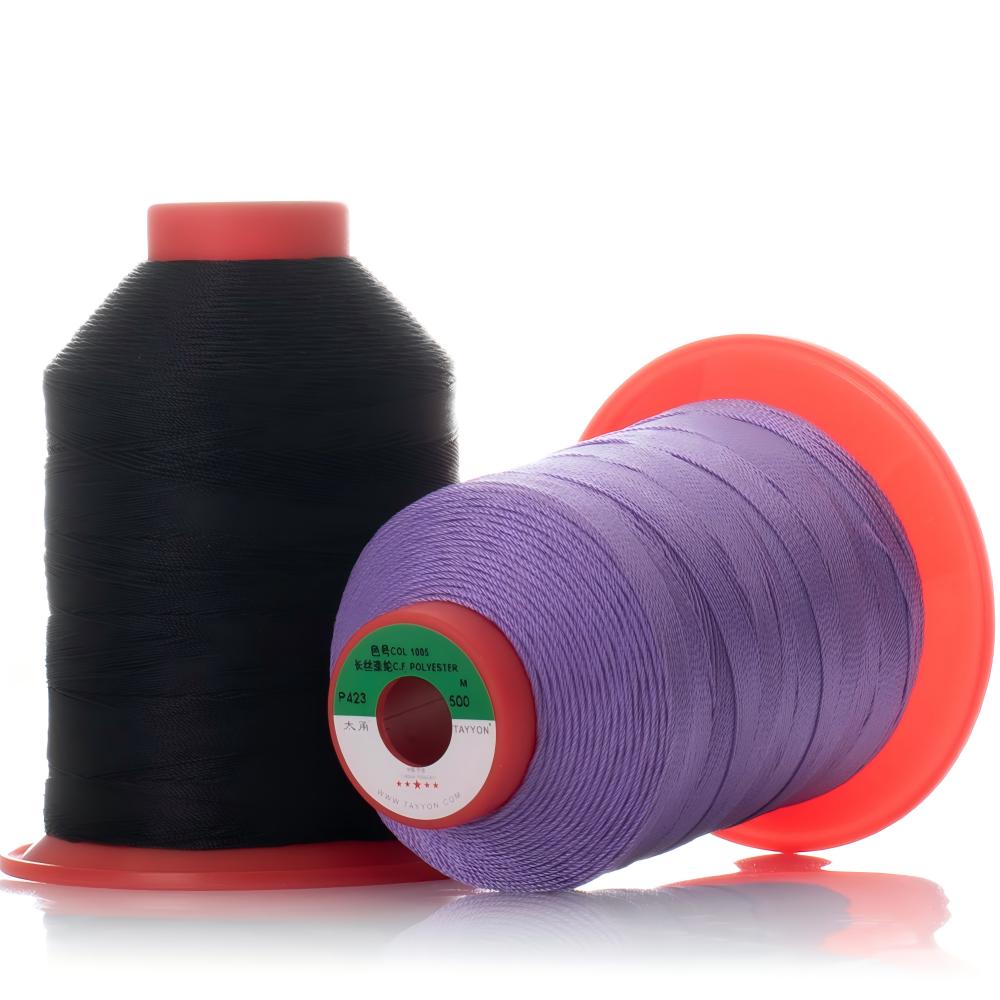
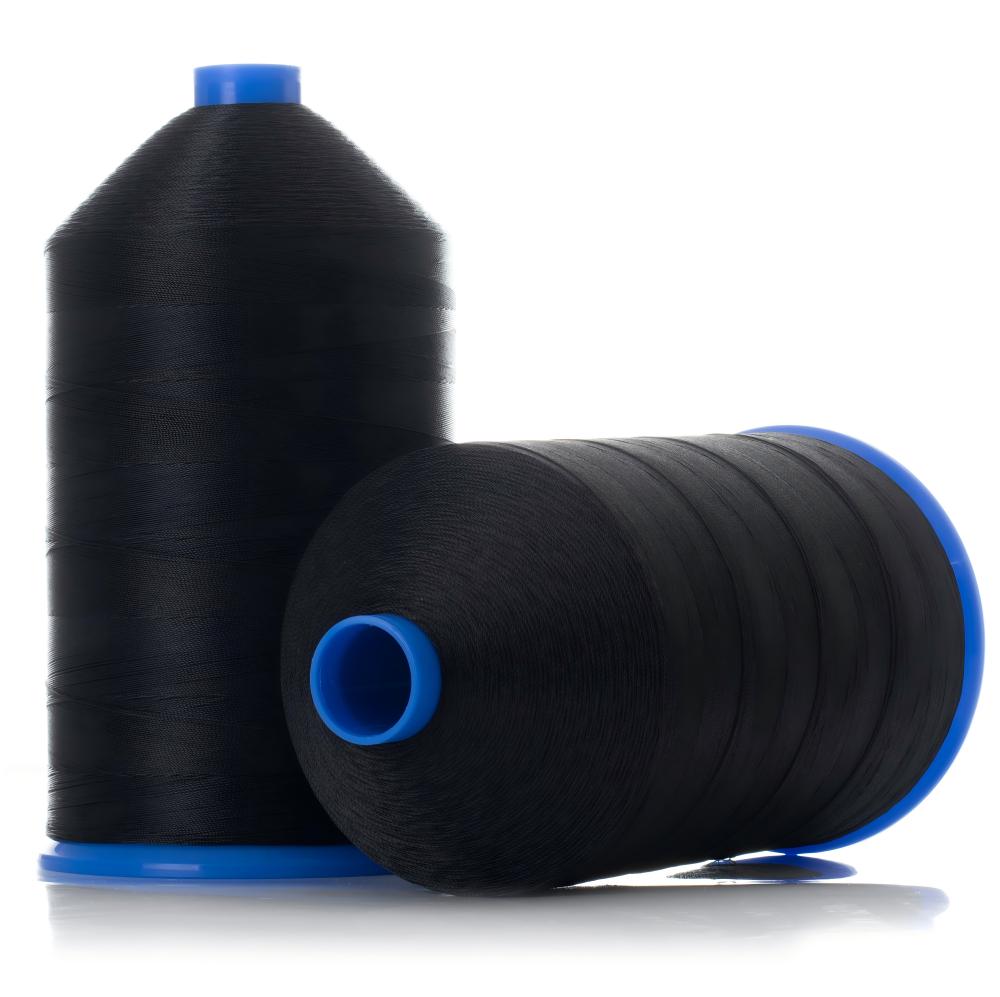
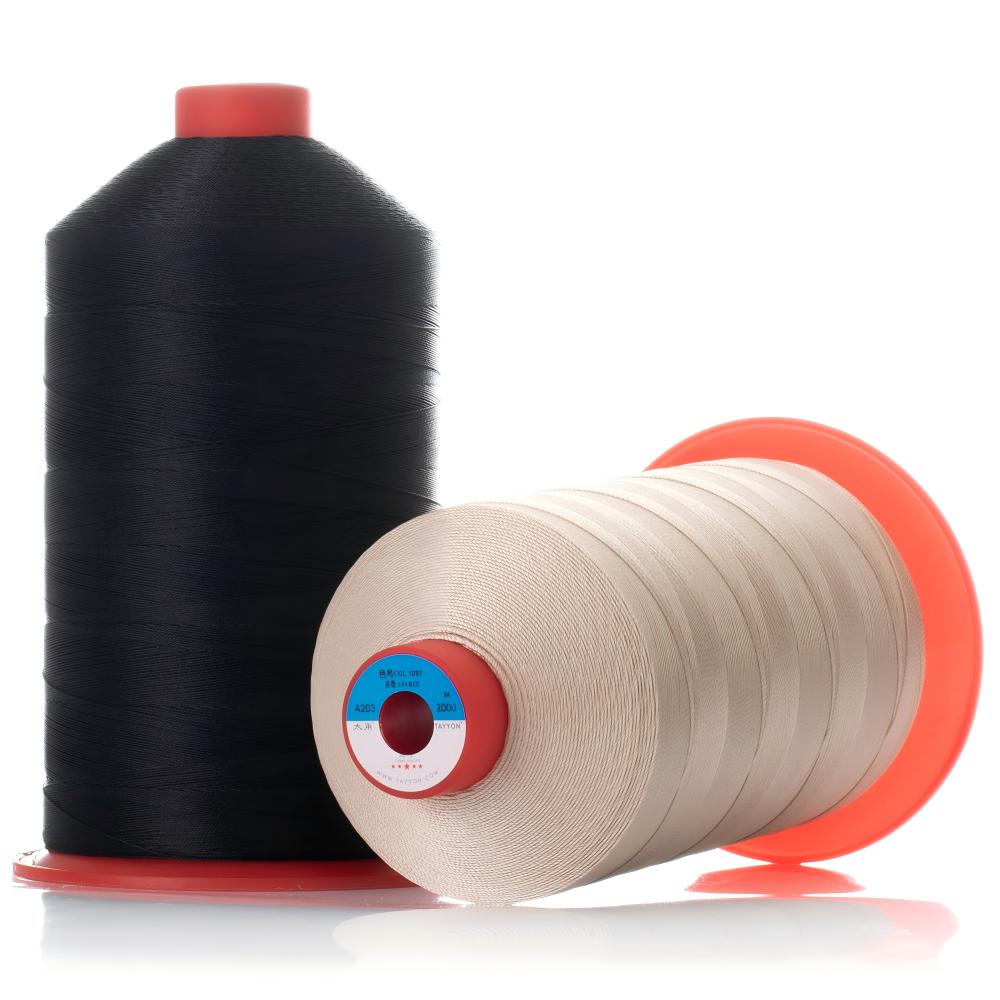
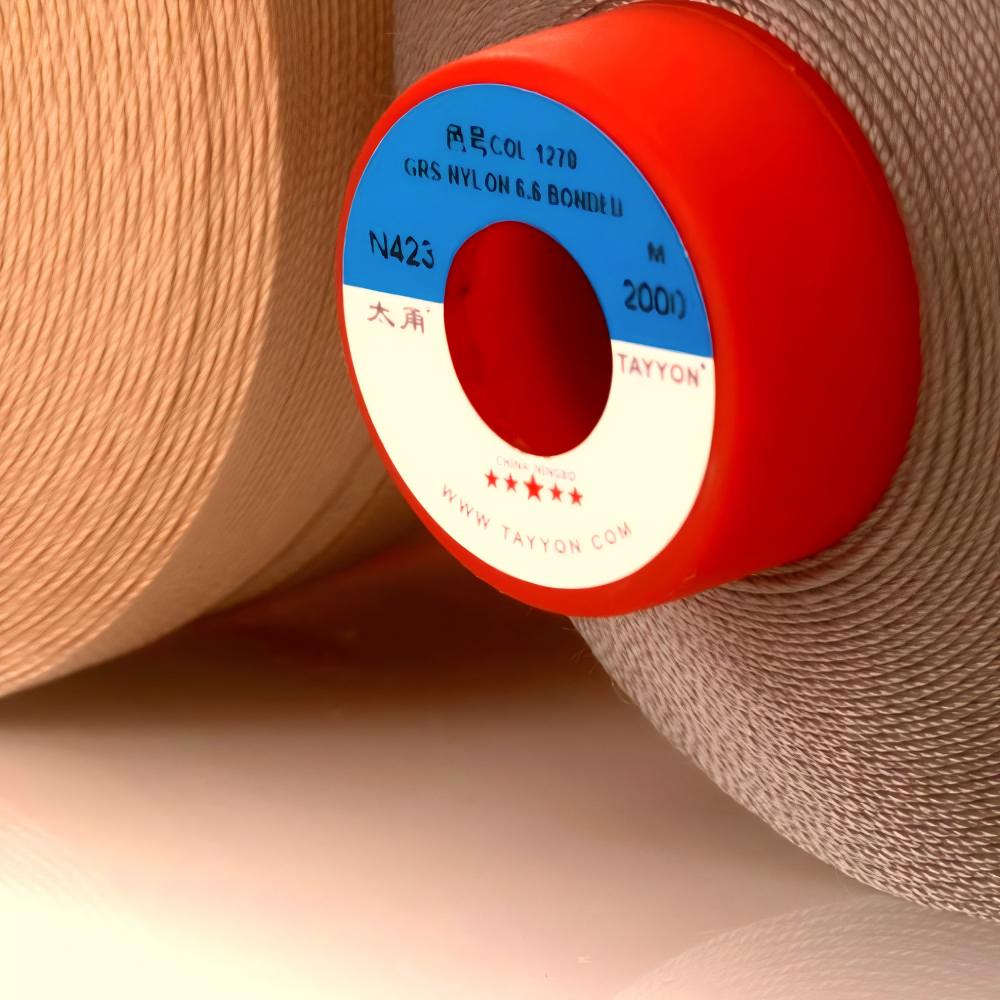
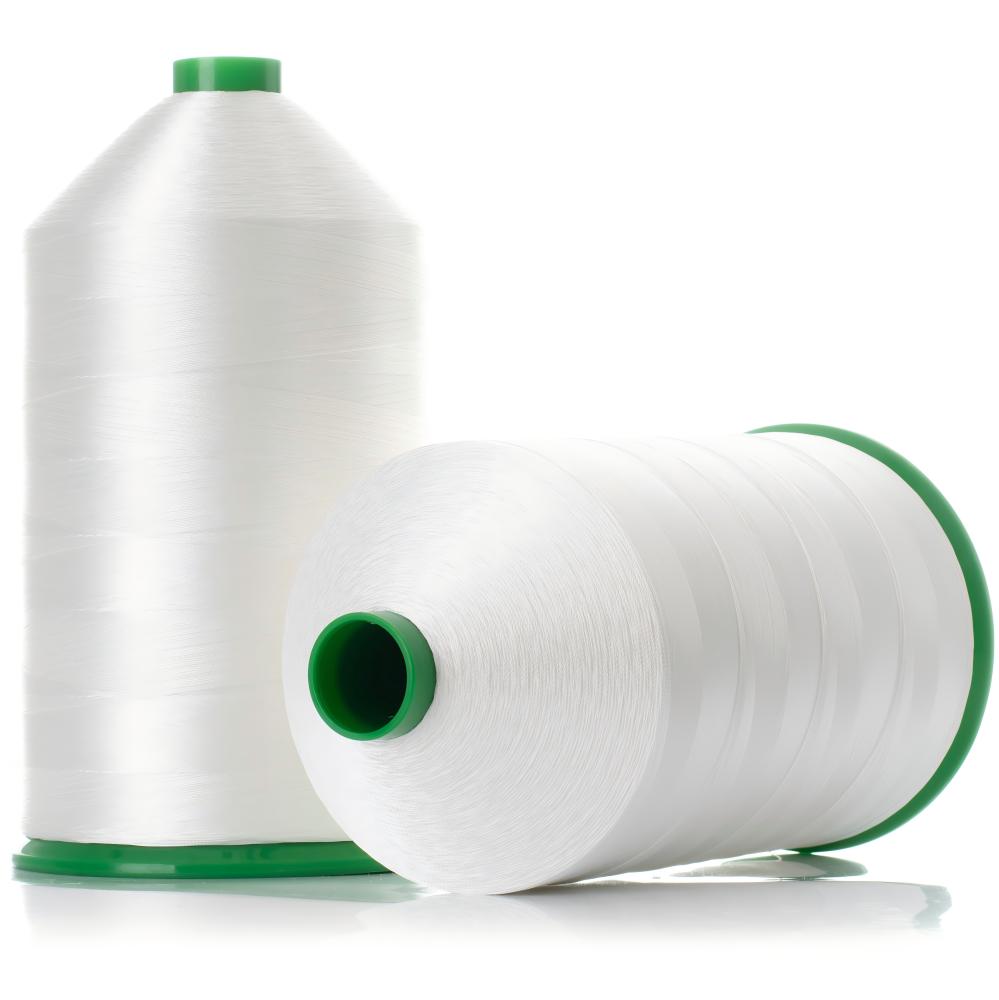
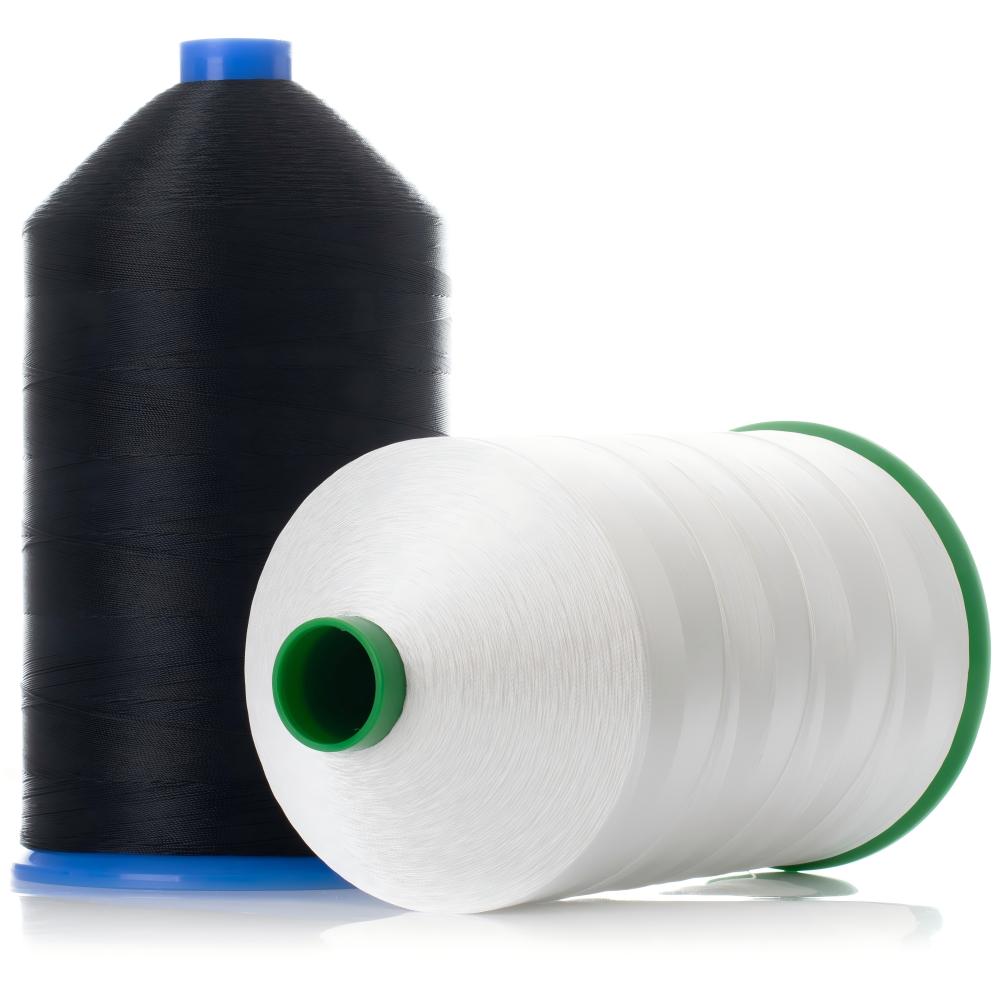
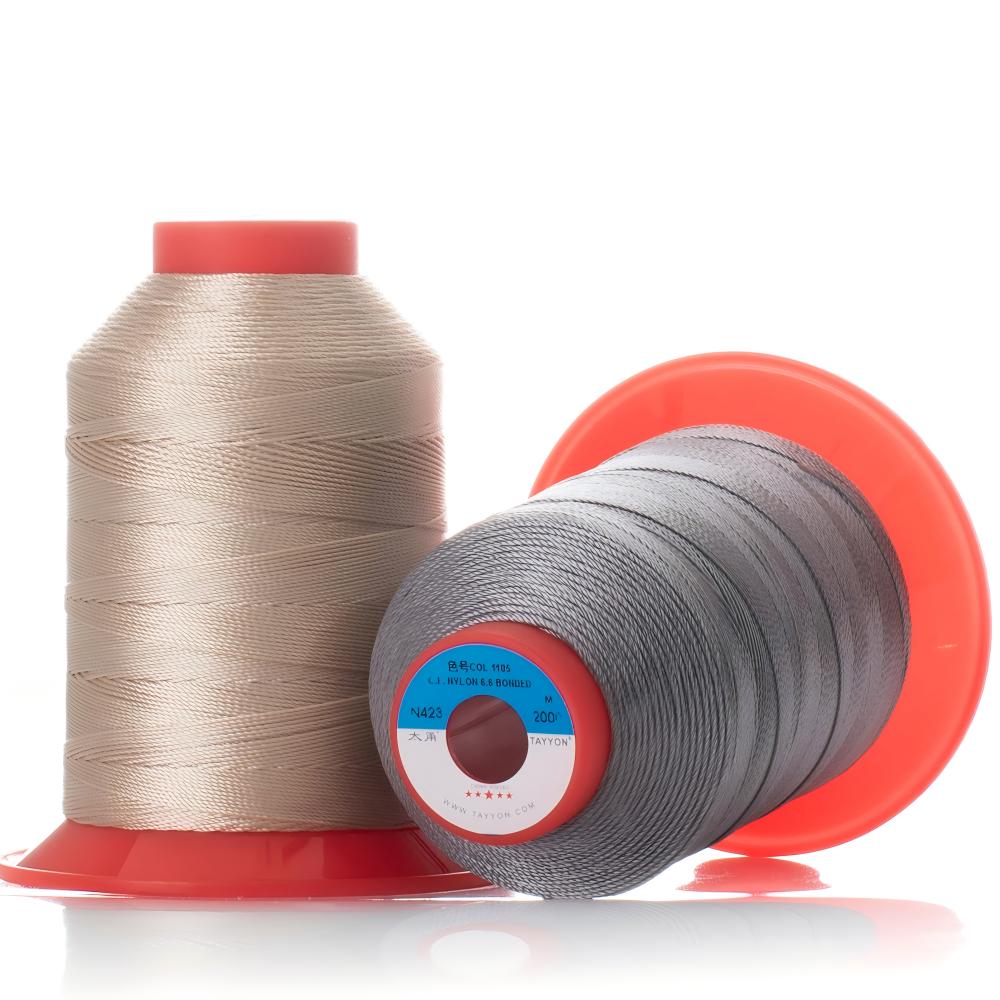
Release time:2025-08-01 Click:1391Bonded Polyamide 6.6 sewing Thread, also called bonded nylon 66 thread, is a specially treated nylon thread known for its excellent abrasion resistance and high tensile strength, is a crucial and widely used high-performance sewing thread in the outdoor equipment manufacturing industry. It can be considered the "skeleton" and "sinew" for the vast majority of durable outdoor products; its performance is directly related to the reliability and lifespan of the equipment.

What is Bonded Nylon Thread?
Bonded Nylon Thread specifically refers to an industrial-grade thread made from high-strength nylon fibers, which undergoes special twisting and waxing (or silicone treatment). Its core characteristics include:
● High Strength: For the same thickness, Nylon Bonded Thread's strength is far superior to cotton or polyester threads.
● Abrasion Resistance: Nylon itself has excellent abrasion resistance, which is crucial for stitching that frequently rubs against backpacks, clothing, etc.
● Flexibility/Elongation: Nylon thread has a certain degree of elasticity, allowing it to stretch slightly under stress, absorbing impact energy and preventing sudden breakage.
● UV/Weather Resistance: Treated Bonded Nylon Thread offers good resistance to UV rays, moisture, and corrosion, making it suitable for harsh outdoor environments.
● Waxed Treatment: The thread surface is typically coated with wax or silicone, providing additional benefits:
- Reduced Friction: Smoother sewing process, reducing needle heat.
- Increased Abrasion Resistance: The wax fills gaps between fibers, making the thread denser.
- Water Resistance: To some extent, it prevents moisture from wicking along the stitch line through capillary action.
Specific Applications in Outdoor Products ★★★★★
Bonded Nylon Thread is found in almost all outdoor gear that needs to withstand high loads and harsh environments.
Backpacks
This is the most typical and demanding application area for Nylon Bonded Thread.
● Shoulder Strap and Back Panel Connection: Bears most of the backpack's total weight, requiring extremely high tensile strength and impact resistance.
● Hipbelt System: Especially the waist belt of load-bearing backpacks, where stitching must withstand immense pulling forces.
● Carry Handles, Compression Straps, Attachment Points: These high-stress areas must use high-strength thread to ensure safety.
● Main Compartment and Pocket Seams: Ensures seams do not split when the backpack is fully loaded.
Tents and Tarps
● Stress Point Stitching: Critical load-bearing points like pole sleeves, guyline attachments, and stake loops require stitching that can withstand both sustained and sudden pulling forces from strong winds.
● Main Seams: Seams like the ridgeline and sidewalls on tents. High-quality stitching combined with tape sealing is the first step towards achieving complete waterproofness.
Apparel (Especially Hardshell, Softshell, Trousers)
● Laminated Fabric Seams: On garments made with waterproof-breathable fabrics, the stitching needle punctures the membrane. Therefore, very fine yet high-strength bonded thread must be used, followed by tape sealing to close the needle holes.
● High-Friction Areas: Such as the seat and knees of trousers, or reinforced shoulder areas on backpacks, require stitching with extremely high abrasion resistance.
● Zipper Installation: Ensures main zippers are secure and reliable. 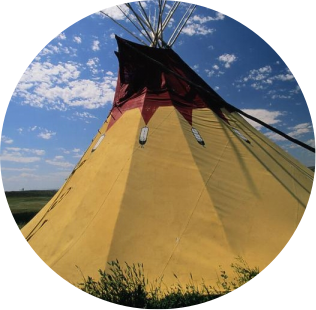
Sleeping Bags and Sleeping Pads
● Baffle Stitching: In high-end down sleeping bags, used for stitching the baffles that separate down clusters. Requires thin yet strong thread to prevent down leakage.
● Shell Seams: Ensures the overall structural integrity of the sleeping bag.
Gear Accessories
● Climbing Rope Bags, Gear Slings, Hydration Packs, and any other fabric-based equipment where reliability is essential.
Limitations and Considerations for Bonded Nylon Thread:
UV Resistance is good, but not infinite: Prolonged direct sunlight will still cause degradation and strength loss over time. High-quality threads include UV inhibitors.
Melting Point: Nylon has a relatively low melting point (approximately 215-260°C). If the sewing machine needle speed is too high, generating excessive heat, it can scorch or weaken the thread. This is one reason for the wax treatment – to reduce friction heat.
In some applications, manufacturers might choose high-strength polyester thread. Polyester's advantages include lower elongation and better UV resistance, but its abrasion resistance and toughness are generally slightly inferior to nylon.
 Nylon 66 Bonded Sewing Thread Bonded Nylon 6,6 Thread Bonded Polyamide 6.6 Sewing Thread Outdoor Goods

Ningbo Tayyon Thread Co., Ltd.
 Beicun, Dongwu Town, Yinzhou District, Ningbo City, Zhejiang Province, China
 Tel./Fax: 0086-574-88381625
 Email: info@tayyon.com


 Prev
Prev Back
Back